
Disaster precursors
Look far enough behind a serious accident and you almost always find the same thing. Weaknesses that had been part of the organisation for years, and that nobody recognised as dangerous.
I call them disaster precursors.
What are we talking about?
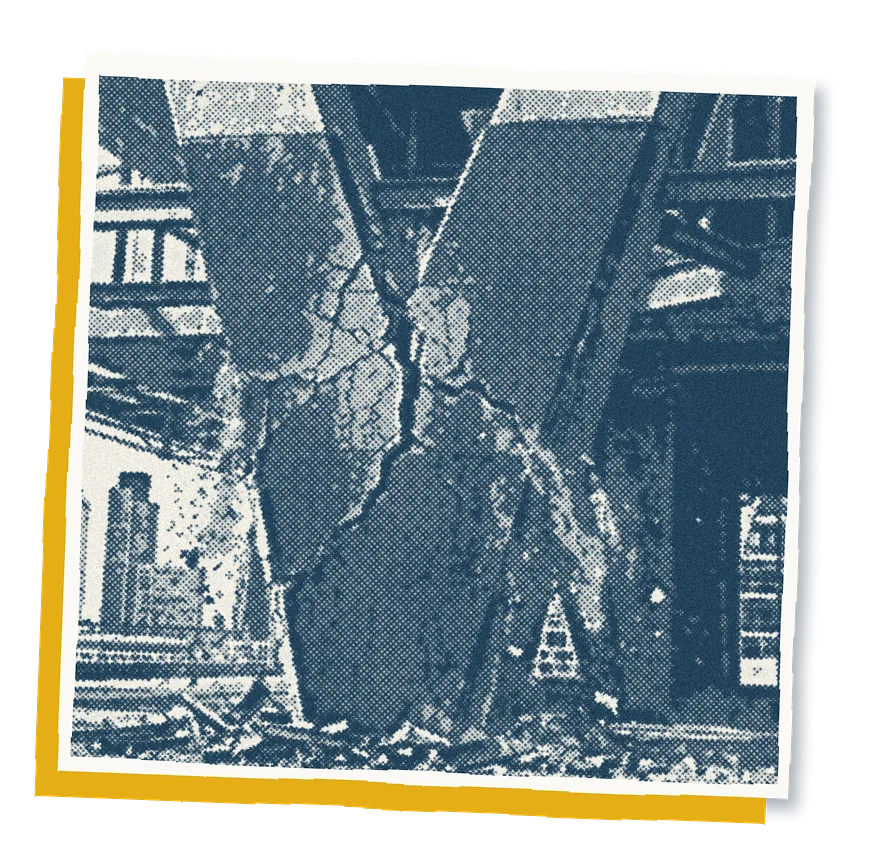
A disaster precursor is an organisational weakness. It comes from a strategic choice, a management practice or an ingrained habit, often adopted for good reasons and signed off in committee. On its own, it causes nothing. As these weaknesses pile up, they open the way to a serious accident, sometimes years later.
They are not the same as warning signs, which appear when danger is already close. Precursors are at work much earlier, when decisions are being made.
Nor do they point to a single culprit. No disaster comes down to one human error or one technical failure, as the study of human and organisational factors shows, investigation after investigation.
No disaster comes down to a single human error.
Common examples
Every organisation has its own. Yet the same families come up again and again.
- An immature view of safetySafety is reduced to following procedures, or to employee discipline.
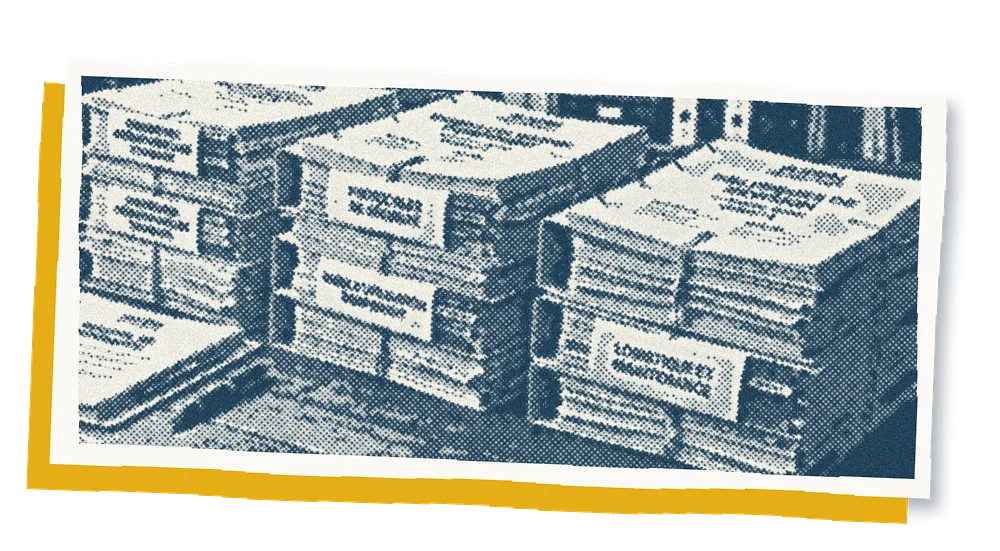
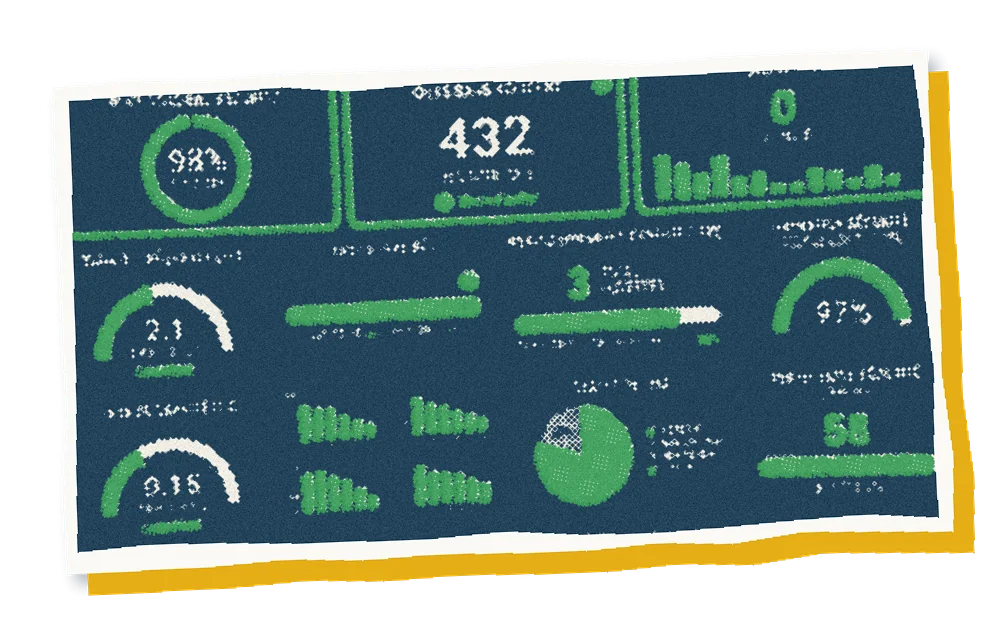
- Tools that offer false comfortIndicators that count minor injuries and ignore the risks that can kill, compliance-only audits, accident analyses that never reach the organisational choices behind them.
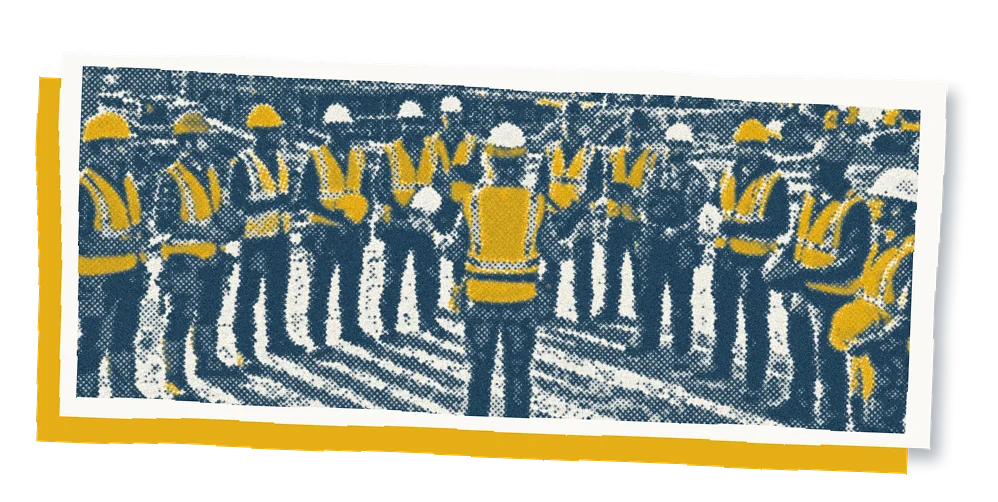
- Practices that miss what mattersWell-oiled routines, meetings and site visits that leave aside the most dangerous situations.
- A fragile cultureCulture is often described as what people do when nobody is watching. In fact it is shaped under the eyes of others and by the way they react, and it grows out of strategy and organisation. When it discourages people from speaking up, bad news stops travelling upwards.
Why dashboards miss them
Lost-time injury rates mostly count minor accidents. They can fall for years while the risk of a fatal accident goes up. A compliance audit checks that procedures exist. It does not tell you whether the organisation can still hear bad news.
That is why a company can show green indicators right up to the day of the accident. From Deepwater Horizon to the Boeing 737 MAX, from Grenfell to PFAS, the disasters I analyse in my book Disaster by Design, the result of eight years of research, follow a pattern that repeats from one to the next.
Do these examples ring a bell?
That's what almost every organisation thinks, until the day it reads about them in an investigation report.
I'd rather checkSpotting and addressing them
Precursors grow out of strategy, practices and management habits. So the levers to address them sit with the leadership team. I help leadership teams recognise them, then act.